
Tag: pet-center
-
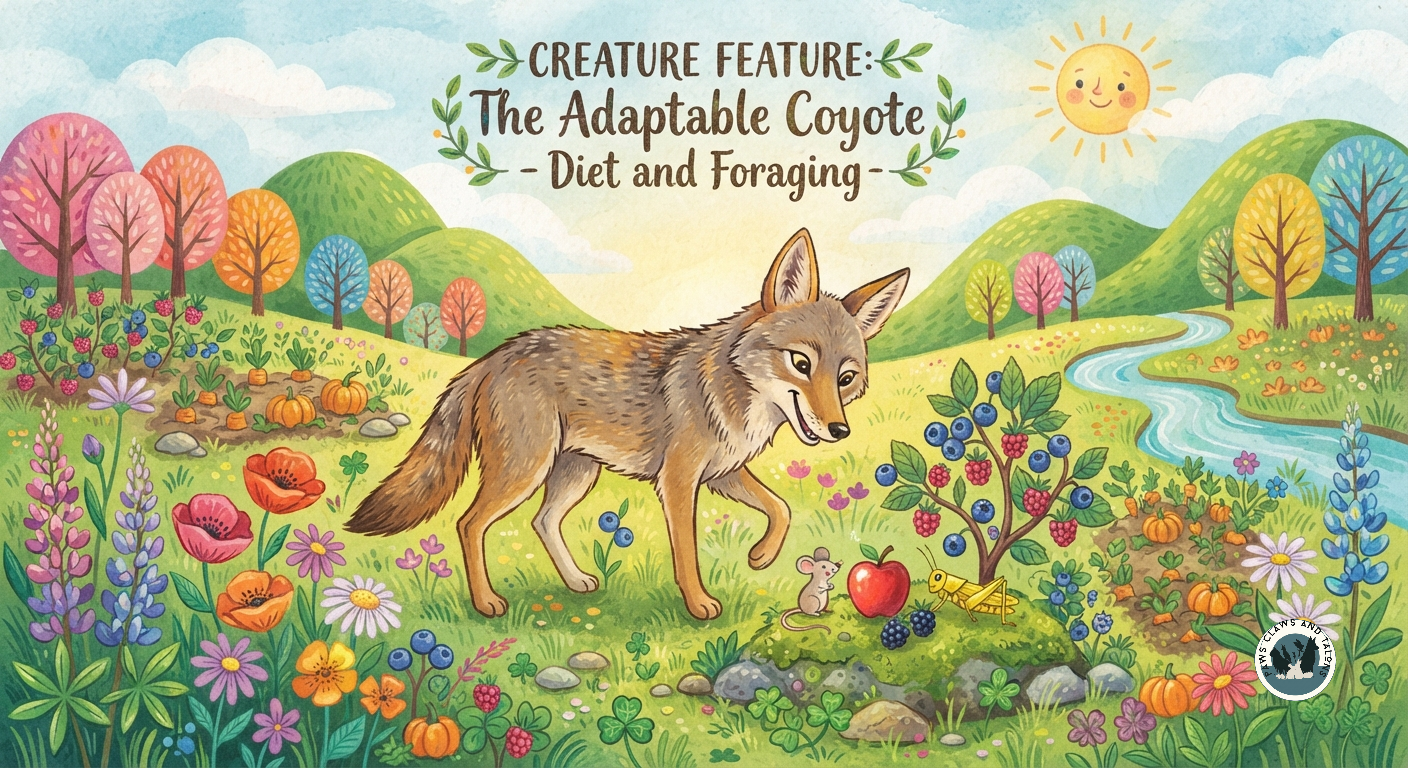
Diet and Foraging Habits of the Coyote
When it comes to finding dinner, the coyote is the ultimate opportunistic generalist. Rather than relying on a single food source, these clever canines adjust their menu based entirely on what is available in their local habitat during any given season. Their dietary flexibility is a masterclass in ecological efficiency, allowing them to thrive in…
-
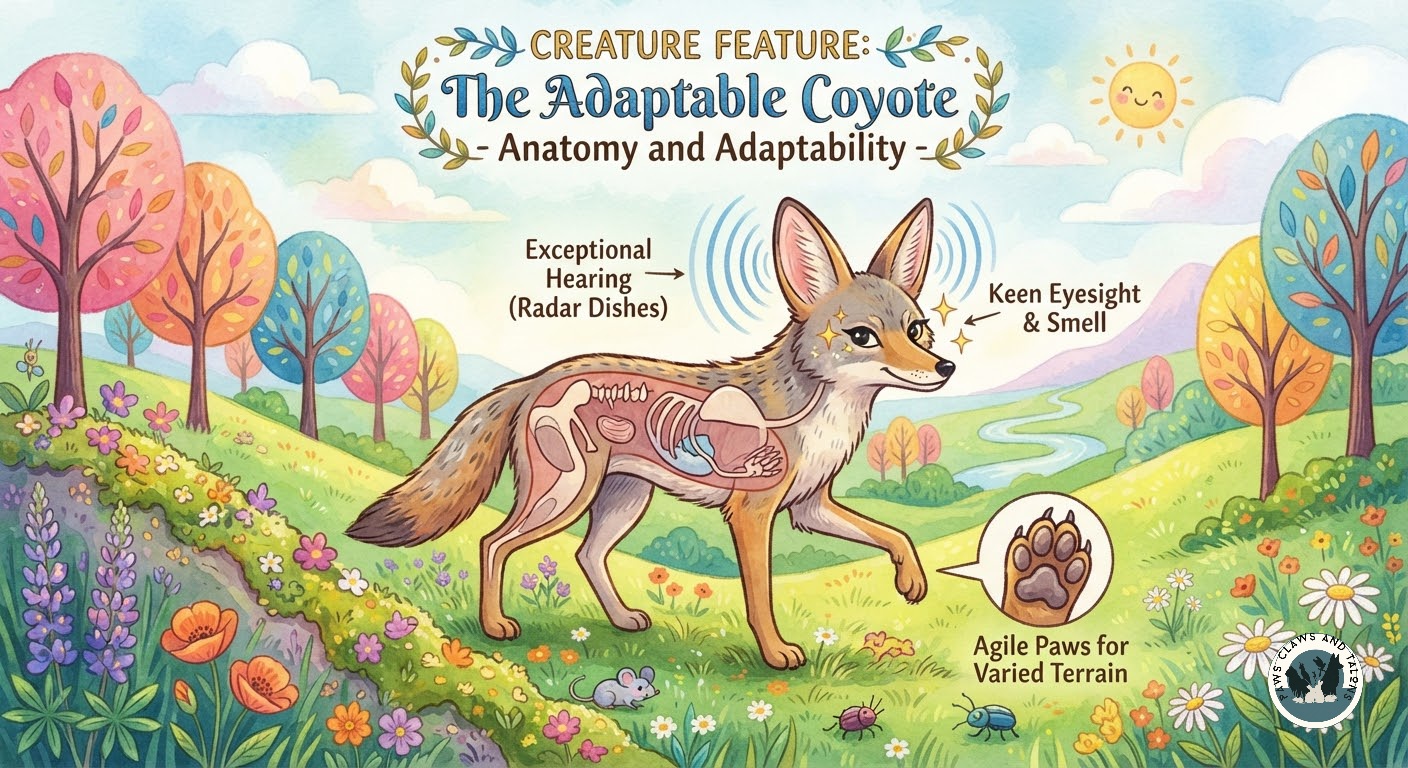
Anatomy and Adaptability: Coyotes
When looking closely at the coyote, every physical trait tells a story of supreme evolutionary engineering. Standing about two feet tall at the shoulder, these medium-sized canines strike a balance between speed and endurance. Their slender legs allow them to trot for miles without tiring, while their large, pointed ears act as sensitive radar dishes…
-
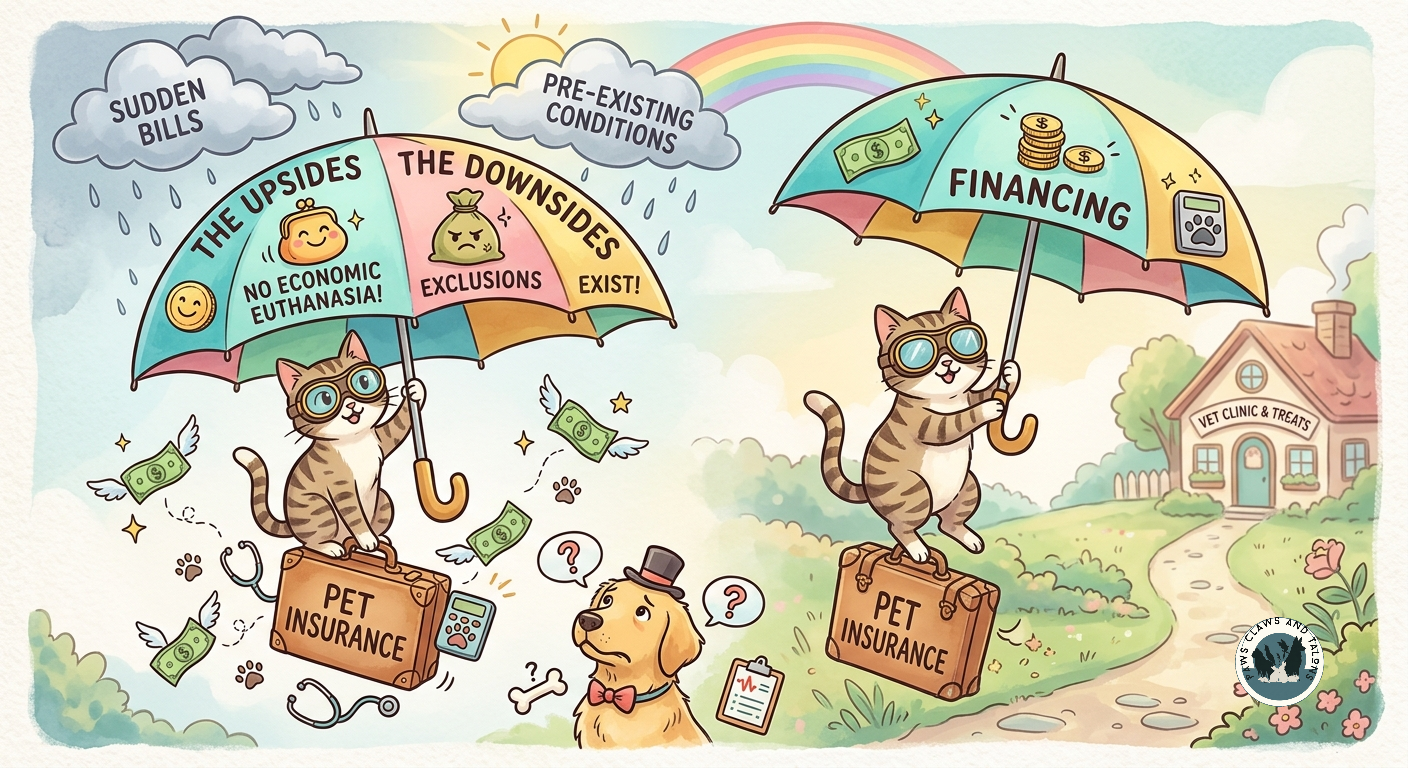
The Honest Guide to Pet Insurance: Upsides, Downsides, and Reality
September is National Pet Insurance Month, making it an ideal time to step back from the cute photos and talk about one of the most polarizing topics in pet ownership: how we finance our pets’ medical care. If you scroll through pet forums, you will find two very distinct camps. One side swears pet insurance…
-
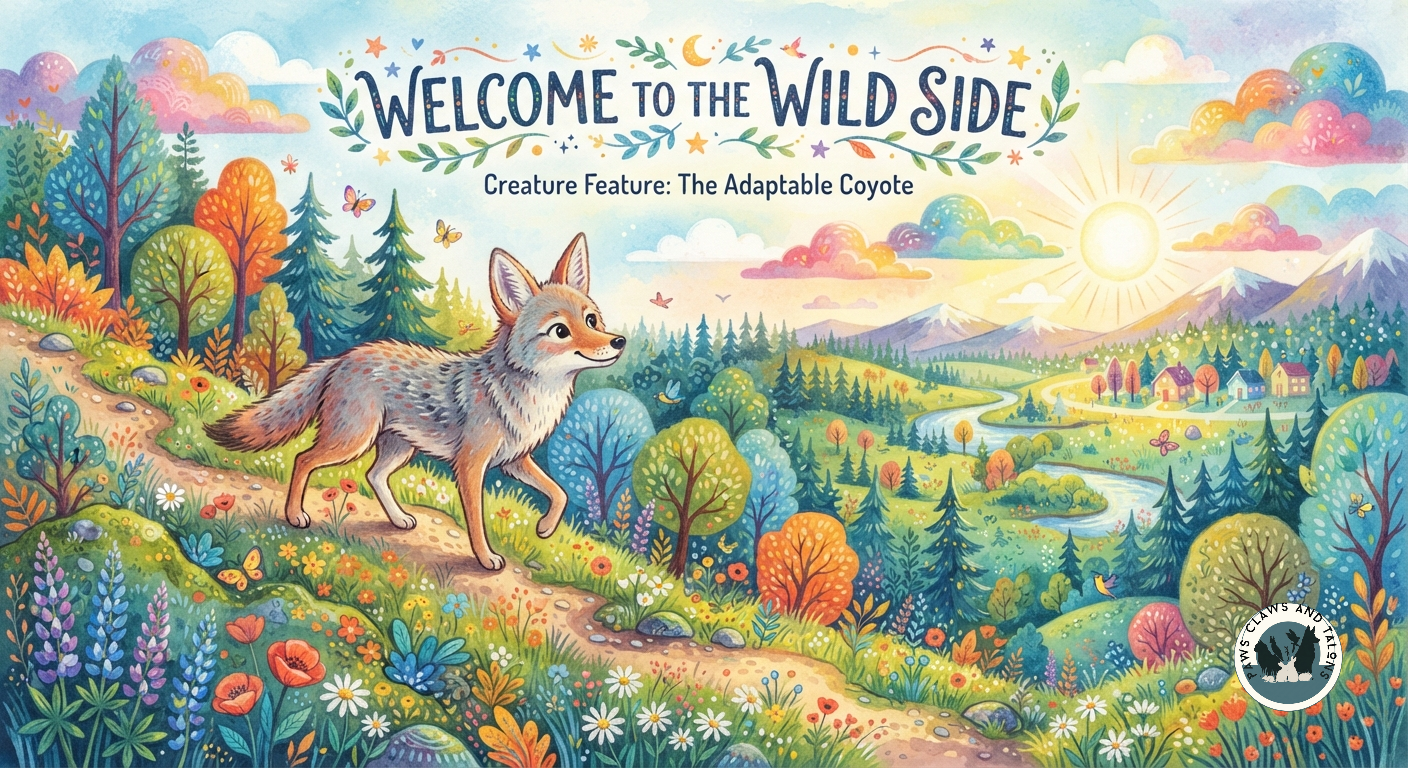
Welcome to the Wild Side: Introducing Coyotes
Welcome back to another edition of our weekly Creature Feature series where we dive deep into the fascinating lives of our animal neighbors. Today, we are turning our attention toward a truly iconic and remarkably resilient resident of the North American landscape: the coyote. Whether you have heard their haunting nighttime choruses echoing across the…
-

From Wild Canopy to Home Nest: Bridging the Gap Between Wild Habitats and Domestic Enclosures
Across this series, we have explored the intricate world of the sugar glider, from their surprising marsupial anatomy and mid-air gliding mechanics to their close-knit colony dynamics and chemical language. Understanding these remarkable traits changes how we view their living spaces. Caring for sugar gliders, whether studying them in wildlife conservation settings or building an…
-
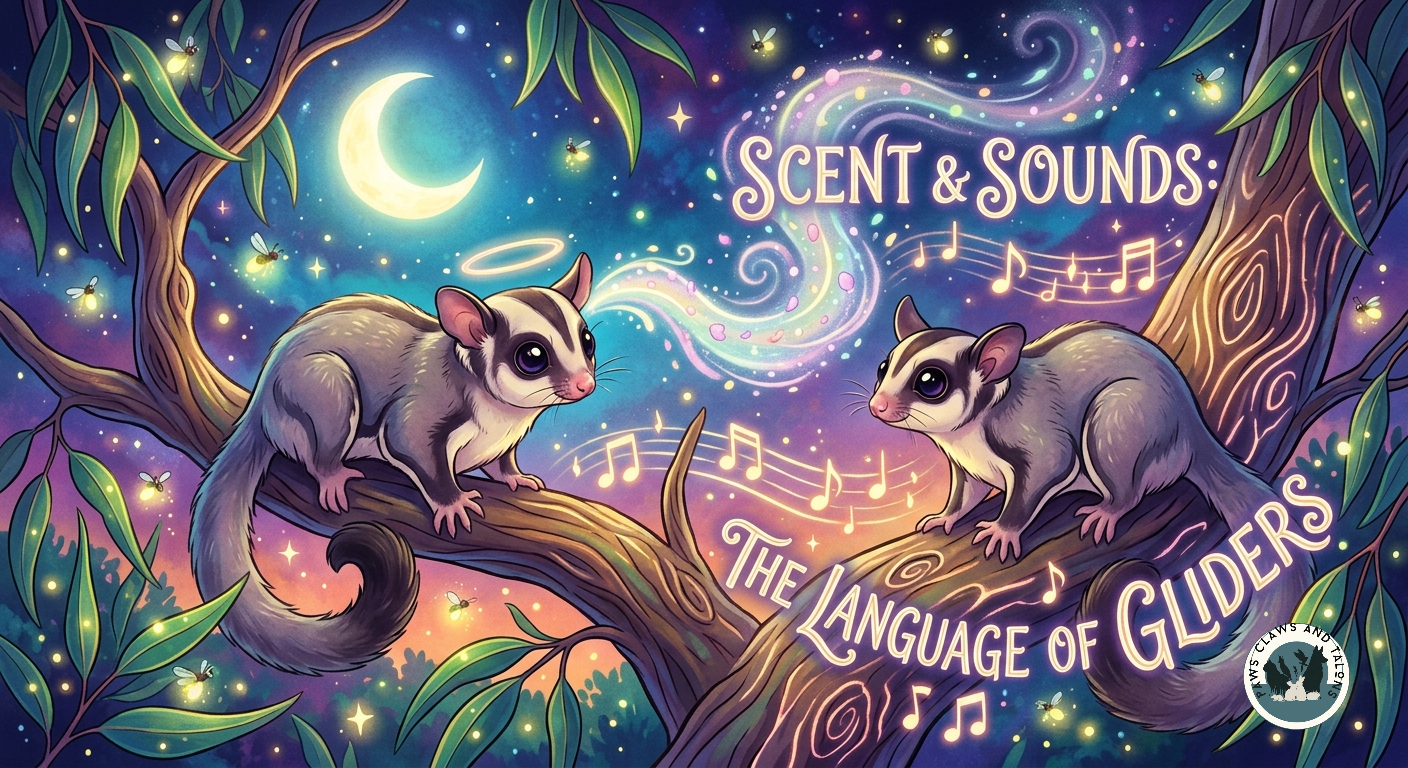
The Language of Gliders: Scent Marking and Strange Sounds
Navigating a dense, pitch-black forest canopy presents a massive communication challenge. When you are a small marsupial moving through rustling leaves forty feet in the air, visual signals like tail wags or bright colors are practically useless in the dark. To stay connected, maintain order, and protect their territory, sugar gliders have developed a complex…
-

Life Inside the Colony: Social Structure and Hierarchy in Sugar Gliders
While a sugar glider soaring gracefully through the midnight canopy is a striking image, these acrobatic displays are far from a solo act. In the wild, a sugar glider living alone is a sugar glider in extreme danger. These tiny marsupials are intensely social creatures whose very survival depends on the strength and cooperation of…
-
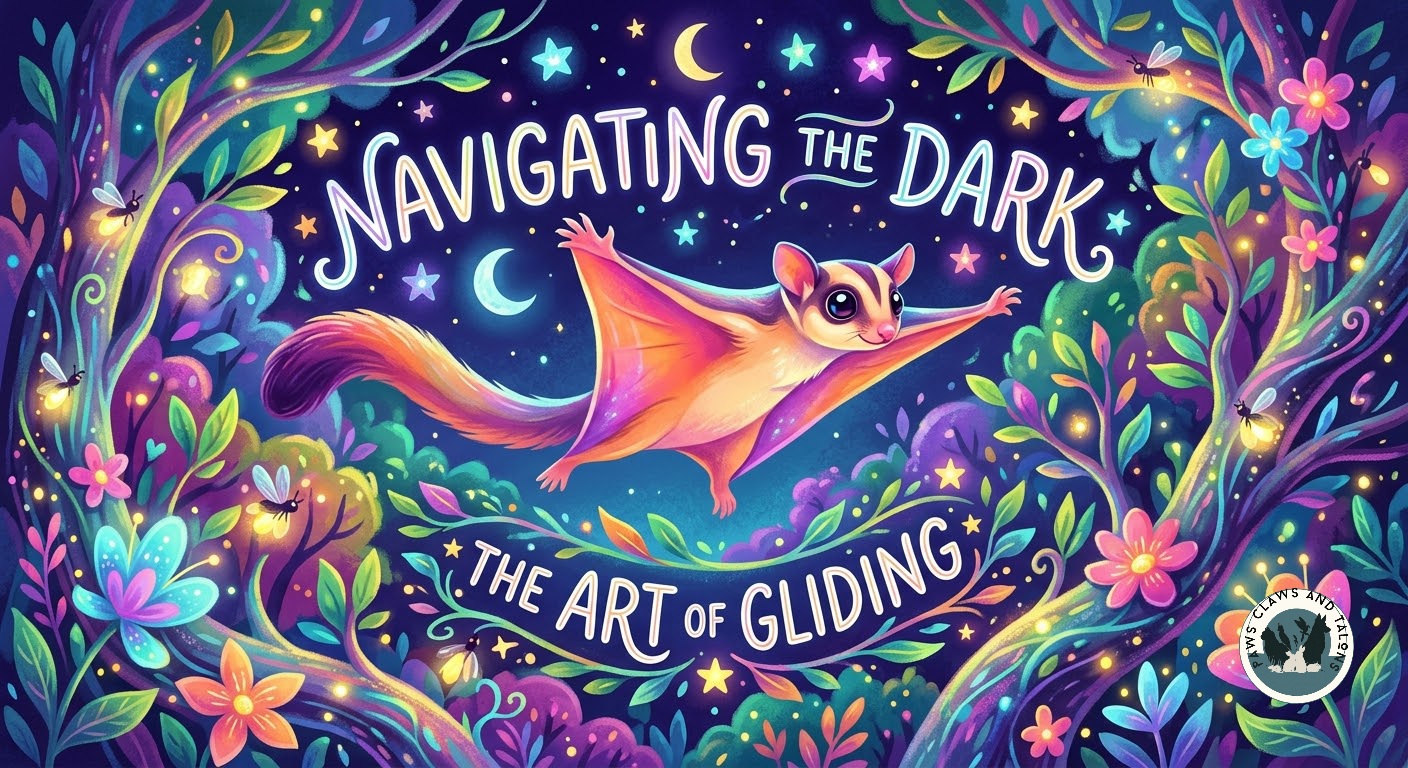
Navigating the Dark: How Sugar Gliders “Fly” and See in the Dark
Imagine standing on a branch high in the forest canopy, gazing into pitch-black night, and launching yourself into the void toward a tree fifty feet away. For a sugar glider, this isn’t a daredevil stunt—it is standard nightly commute. Watching a sugar glider move through the treetops feels less like watching an animal fall and…
-

Meet the Sugar Glider: Marsupials, Not Flying Squirrels
At first glance, a sugar glider looks like a character pulled straight out of an animated film. With giant, dark eyes set into a tiny face, oversized ears that pivot like satellite dishes, and a soft gray coat accented by a striking dark stripe down their back, these small creatures capture hearts instantly. However, their…
-

Rattlesnakes: Conservation and Ecological Impact
Welcome to the final installment of our Creature Feature Spotlight series on rattlesnakes. Over our previous posts, we have covered identification, seasonal ranges, anatomy, pet safety, and common myths. Today, we are wrapping up by looking at the bigger picture: why these specialized pit vipers are essential to healthy ecosystems and why their conservation matters.…