
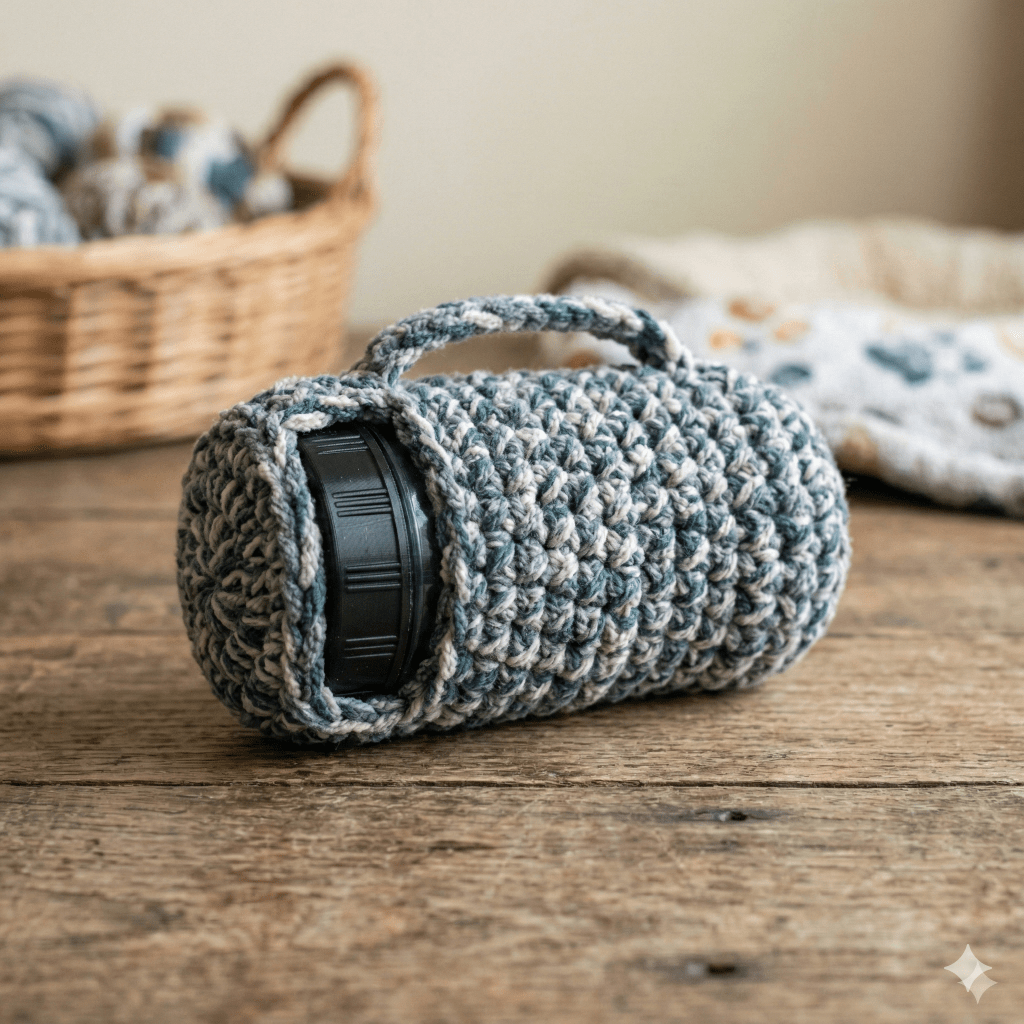
Protocol: The Resonant Bio-Sphere (RBS)
Institutional Role: Auditory Mapping & Sensory Calibration
Stewardship Level: Specialist (The Fabricators & Textile Architects)
Validation: Solid-State Isolation / Kinetic Feedback
The Resonant Bio-Sphere (RBS) is a high-performance, manual-interface asset engineered for the Biological Engine’s auditory-driven inhabitants. Moving beyond the “disposable rattle,” this protocol utilizes a Solid-State Chamber and integrated Kinetic Ballasts to facilitate cognitive engagement and prey-drive regulation. It is a prestigious, institution-grade instrument designed for heavy-duty engagement and precise acoustic feedback.
The Material Specifications
| Component | Institutional Role | Function |
| PETG Solid-Wall Pod | The Resonant Chamber | A 3D-printed, airtight container with a high-torque twist lid for noise containment. |
| Mechanical Ballasts | The Kinetic Charge | Tiny internal elements (nuts, beads, or scrap) that strike the walls to create sound. |
| Super Bulky Polyester | The Primary Weave | Thick, impact-absorbing yarn used to create the protective structural exoskeleton. |
| Friction-Lock Join | The Tension Seal | A permanent textile closure designed to prevent the extraction of the 3D-printed core. |
Assembly Instructions for the Unified Teams
1. Fabricating the Resonant Chamber
The Fabricators will utilize PETG filament to print a Twist-Lock Pod. The design must be printed with thick walls and no ventilation apertures to ensure the “Biological Engine” cannot breach the chamber or lose the internal charge.
2. Calibrating the Acoustic Profile
Prior to sealing, select the appropriate internal ballast. For high-energy residents, utilize two stainless steel hex nuts to achieve a sharp, metallic clack. For sensitive residents, utilize plastic pony beads for a rhythmic, softer clicking sound.
3. Executing the Exoskeleton Sleeve
The Textile Architects will employ a high-tension crochet stitch using Bernat Blanket Yarn. This super bulky yarn must be worked tightly around the pod to eliminate internal movement while maintaining a soft, non-abrasive interface for the resident’s dental health.
4. The Terminal Locking Protocol
Finish the encapsulation with a double-pass friction join. The remaining yarn ends should be woven back into the structure to prevent unraveling. The final asset must be rigid enough to vibrate clearly when shaken but soft enough to be caught mid-air without dental trauma.
5. Institutional Sanitization & Deployment
Subject the completed RBS to a standard laundry cycle to remove any manufacturing residues. Once dry, the asset is validated for deployment. The “Impact” is measured by the resident’s sustained interest in the acoustic feedback during “shake-and-toss” maneuvers.
Resident Candidate List: High-Energy Logic Teams
Procyonidae Enrichment Teams (Raccoons/Coatis): Utilize the RBS as a “tactile puzzle,” where the internal rattle encourages the resident to manipulate the object to understand the source of the sound.
Canidae Athletic Divisions (Terriers/Retrievers): The primary beneficiaries of the RBS. The rattle provides immediate auditory reinforcement during retrieval training and solo engagement.
Felidae Precision Teams (Domestic Cats): Smaller variants of the RBS provide high-frequency “clicking” sounds that mimic prey movement, fostering physical agility within the habitat.
Safety & Maintenance Protocol
Please supervise your pet during play. No toy is indestructible. Please inspect regularly and discard if damaged or if parts become loose.
 Paws, Claws and Talons Foundation